
9 Marketing Tasks Costing Construction Companies Leads
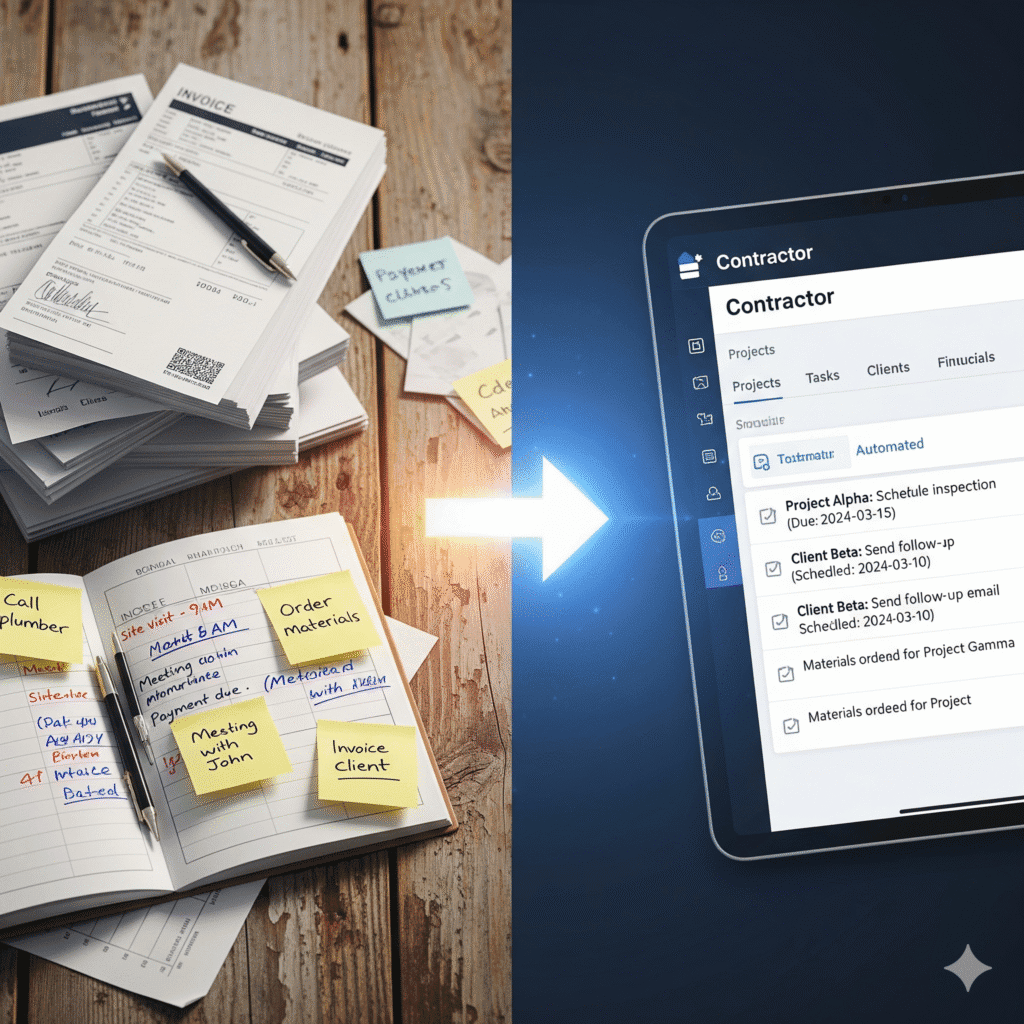
Table of Contents
Most construction companies generate fewer leads than they should, not because they lack compelling work or competitive pricing, but because their follow-up is inconsistent, their outreach is manual, and qualified prospects fall out of contact between conversations.
Marketing automation does not replace the relationship-building that drives construction business development. It ensures that the relationships already in motion do not stall, and that prospects stay engaged through the months-long sales cycles that characterize the industry. Nine functions consistently make the difference between firms doing this well and those losing ground to competitors who are.
The construction industry stands at a pivotal moment. With a need for 340,000 new workers in 2024 alone due to acute shortages in skilled trades like electricians, plumbers, and carpenters, contractors face challenges in both workforce management and business growth. Meanwhile, the construction industry is rapidly embracing marketing automation software, with adoption expected to increase by 14% annually through 2028. Companies implementing these systems report a 20-30% increase in qualified leads and a 15% faster sales cycle.
Even with this information, contractors still rely on manual processes that drain time and resources. Between managing job sites, coordinating with subcontractors, and handling client communications, marketing often becomes an afterthought. This approach leaves money on the table and limits growth potential in an increasingly competitive market. We can all relate to starting some aspect of marketing at midnight just because we should.
Marketing automation for contractors isn’t just about efficiency; it’s about change. The right systems can elevate your business from reactive to strategic, helping you build lasting relationships, establish industry authority, and secure premium projects.
Why Marketing Automation Matters for Contractors
Marketing automation alters how contractors manage relationships and generate leads by systematically nurturing prospects through extended sales cycles. For construction professionals, this technology addresses the unique challenges of an industry where decisions take months and trust is paramount.
Construction projects involve complex, relationship-driven sales cycles that can span months or even years. Unlike a product you would buy on Amazon, or a service that can be performed in a quick amount of time, the construction industry is inherently rooted in a long sales cycle. Potential clients research extensively, analyze your portfolio, read reviews, and evaluate your company’s credibility before making decisions.
The financial impact of automation is compelling. Companies earn $5.44 for every $1 they spend on marketing automation, translating to an ROI of 544%. More importantly, 76% of companies see ROI from marketing automation within a year, with businesses recovering the cost of their initial investment in under six months, on average.
For construction professionals, this means adapting scattered marketing efforts into systematic, measurable strategies that work around the clock. While you focus on delivering exceptional projects, automation handles lead nurturing, client communication, and relationship building that drives future business.
Research indicates that roughly 8 in 10 projects at high-trust construction companies are for repeat clients. Marketing automation helps you build and maintain these valuable relationships systematically, ensuring no opportunity falls through the cracks.
1. Automated Lead Nurturing Reels In Cold Prospects
The most powerful application of marketing automation for contractors lies in lead nurturing. In 2024, automated emails drove 37% of all email-generated sales although they only accounted for 2% of email volume. This dramatic efficiency gain demonstrates why automation has become essential for competitive contractors.
Traditional lead follow-up often fails because contractors lack time for consistent communication. A potential client downloads your project guide or requests a quote, but without systematic follow-up, they may choose a competitor who stays top-of-mind. Automation solves this challenge by delivering relevant, timely content that guides prospects through their decision-making process.
Effective automated lead nurturing for contractors includes welcome sequences that introduce your company’s approach and values, educational content about construction processes and industry trends, project showcases that demonstrate your capabilities, and client testimonials that build trust and credibility. You can also provide maintenance tips and seasonal advice that add ongoing value.
The key is developing content that positions you as a trusted advisor rather than just another contractor. When prospects receive valuable insights about construction best practices, cost-saving strategies, or industry innovations, they begin viewing your company as an authority. This relationship-building approach naturally leads to more qualified leads and higher conversion rates.
Automation platforms allow you to segment leads based on project type, budget range, or engagement level, ensuring each prospect receives relevant information. A commercial developer gets different content than a homeowner planning a kitchen renovation. This personalization increases engagement and moves prospects closer to hiring decisions.
The most successful contractors use automation to bridge the gap between initial interest and project commitment. By delivering consistent value through automated sequences, you maintain visibility during long consideration periods and position your company as the obvious choice when prospects are ready to proceed.

2. CRM Integration Creates Unified Customer Experience
Customer Relationship Management (CRM) integration with marketing automation creates seamless experiences that set professional contractors apart from competitors. Among the top 1000 construction companies in the United States, 169 companies use a dedicated automated software tool (16.9%) for marketing with the top 3 spots divided between HubSpot, Pardot, and Salesforce.
Modern construction CRM systems go beyond contact management to create comprehensive client profiles that include project history, communication preferences, budget ranges, and timeline requirements. When integrated with marketing automation, this data enables sophisticated personalization that enhances every client interaction.
Consider how this integration impacts the customer journey. A potential client visits your website and downloads a design guide. The CRM automatically captures their information and triggers a welcome sequence tailored to their project type. As they engage with your content, the system tracks their interests and adjusts future communications accordingly.
For active projects, integration enables automated updates that keep clients informed without requiring manual effort. Project milestone notifications, safety updates, and completion certificates can be automatically generated and sent based on CRM data. This systematic communication builds trust and demonstrates professionalism that clients expect from premium contractors.
The integration also improves internal operations. When a lead becomes a client, all previous interactions and preferences carry forward into project management. Your team understands client communication styles, priorities, and concerns before the first meeting. This preparation creates superior service experiences that generate referrals and repeat business.
Advanced CRM integration enables predictive insights that help contractors identify opportunities. You can track which marketing touchpoints generate the highest-value clients, identify optimal times for follow-up communications, and recognize patterns that indicate project readiness. These insights inform strategic decisions that improve marketing ROI and business growth.
The most sophisticated contractors use CRM integration to create comprehensive client lifecycle management. From initial inquiry through project completion and ongoing maintenance, every interaction is tracked, automated where appropriate, and optimized for maximum relationship value.
3. Social Media Automation Builds Consistent Brand Presence
Social media presence is crucial for contractors, with 63% of construction companies using strategies like social media and digital advertising to get in touch with the young generation. However, maintaining a consistent, engaging social media presence while managing job sites and client demands is challenging without automation.
Social media automation allows contractors to maintain professional visibility across platforms without daily manual posting. Successful strategies include showcasing project progress through scheduled updates, sharing industry insights and safety tips, highlighting team achievements and company culture, and promoting client testimonials and case studies. You can also share educational content about construction processes and trends.
The key is developing content calendars that reflect your expertise and company values. Automation tools can schedule posts across multiple platforms, ensuring consistent messaging whether prospects find you on LinkedIn, Facebook, or Instagram. This omnipresence (across multiple platforms) builds brand recognition and demonstrates reliability that clients value in contractors.
Visual content performs exceptionally well for contractors. Automated posting of project photos, time-lapse videos, and before-and-after comparisons showcases your capabilities while requiring minimal ongoing effort. Many automation platforms include image editing and video creation tools that streamline content production.
Social media automation also supports recruitment efforts, which is crucial given current labor shortages. Automated posts highlighting company culture, career opportunities, and employee success stories help attract skilled workers. This dual-purpose approach maximizes automation value by addressing both marketing and workforce development needs.
Advanced social media automation includes social listening capabilities that monitor mentions of your company, competitors, and industry trends. This intelligence helps contractors identify opportunities, address concerns quickly, and stay informed about market developments that impact their business.
Let’s get this straight, manually posting and participating in social media is always the number one choice. There’s no better way to connect with customers than to communicate one on one, but if this is not feasible, as it’s a challenge for many entrepreneurs, then automation will keep your brand visible.
4. Email Marketing Automation Generates Qualified Leads
Email marketing remains the foundation of effective contractor marketing automation. 63% of marketers now use AI in their email campaigns, up from 26% in 2022, and for good reason: email marketing generates between $36 and $40 for every dollar spent, a significant 3,600% plus return on investment.
For contractors, email automation serves multiple purposes beyond basic communication. Educational newsletters that share construction insights, safety updates, and industry trends position your company as a knowledgeable resource. Project showcase emails demonstrate capabilities and success stories. Seasonal maintenance reminders provide ongoing value to past clients while generating follow-up opportunities.
The most effective contractor email strategies focus on providing genuine value rather than constant self-promotion. Weekly or bi-weekly newsletters featuring construction tips, market updates, and project highlights keep your company visible during long consideration periods. This approach builds trust and maintains relationships that convert into future projects.
Segmentation is crucial for contractor email automation. Commercial clients need different information than residential customers. New construction prospects have different concerns than renovation clients. Automated segmentation based on project type, budget range, or engagement level ensures relevant messaging that improves open rates and conversions.
Approximately 1 in 2 people who click on automated welcome or abandoned cart emails end up buying something. For contractors, this translates to automated quote follow-ups, proposal reminders, and consultation scheduling sequences that convert inquiries into meetings and projects.
Drip campaigns that nurture leads over extended periods are particularly valuable for contractors. A prospect who isn’t ready for a project today might be planning for next year. Automated sequences that provide ongoing value ensure your company remains top-of-mind when they’re ready to proceed.
Email automation also supports client retention and referral generation. Automated check-ins after project completion, anniversary reminders for maintenance services, and requests for reviews or referrals help maximize lifetime client value. These touchpoints often generate the repeat business that drives long-term profitability.
5. Automated Follow-Up Systems Improve Conversion Rates
Few customers come to you by themselves, without any help from your team, making systematic follow-up essential for contractor success. Yet manual follow-up often fails due to time constraints and competing priorities. Automated follow-up systems ensure no lead goes unattended while maintaining professional consistency.
Effective automated follow-up begins immediately after initial contact. When prospects request quotes, download resources, or submit contact forms, automation triggers immediate acknowledgment emails that set expectations and provide next steps. This rapid response demonstrates professionalism and prevents prospects from seeking alternatives.
Quote follow-up automation is particularly powerful for contractors. Many prospects request multiple quotes and may delay decisions for weeks or months. Automated sequences that check in periodically, provide additional information, and address common concerns keep your proposal active while competitors fade from memory.
The most successful automated follow-up strategies include multiple touchpoints with varied content. Initial follow-ups might include project timelines and process explanations. Subsequent messages could feature relevant case studies, client testimonials, or industry insights that reinforce your expertise. Final follow-ups might offer limited-time incentives or consultation opportunities.
Behavioral triggers enhance follow-up effectiveness. When prospects visit your website, view specific pages, or engage with emails, automation can trigger personalized follow-up based on their interests. Someone who repeatedly views your commercial portfolio receives different follow-up than someone researching residential services.
Automation also improves follow-up timing. Research shows optimal contact times vary by industry and client type. Automated systems can schedule follow-ups for maximum effectiveness, whether that’s Tuesday morning for busy executives or evening hours for homeowners planning renovations.
Advanced follow-up automation includes lead scoring that prioritizes prospects based on engagement levels and project indicators. Hot leads receive immediate personal attention while cooler prospects enter longer nurturing sequences. This efficiency allows contractors to focus personal effort where it’s most likely to generate results.
6. Data Analytics Impact Decision Making
One of the most transformational aspects of marketing automation for contractors is the wealth of data it provides for strategic decision-making. Digital platforms allow a business to calculate ROI by comparing lead acquisition costs with project revenue. This level of insight was previously impossible with traditional marketing methods.
Marketing automation platforms track every interaction across all channels, creating comprehensive pictures of what works and what doesn’t. You can see which blog posts generate the most leads, which email campaigns drive the highest engagement, and which social media content produces actual project inquiries. This data enables continuous optimization that improves results over time.
For contractors, analytics reveal patterns that inform business strategy. You might discover that prospects who engage with safety content are more likely to become clients, or that commercial leads require different nurturing timelines than residential prospects. These insights help refine marketing messages and allocation of resources.
Conversion tracking shows the complete customer journey from initial awareness through project completion. This visibility helps contractors understand their most effective lead sources and optimize marketing budgets accordingly. Instead of guessing which advertising generates results, you have definitive data about ROI by channel.
Predictive analytics capabilities help contractors anticipate market trends and plan accordingly. Seasonal patterns in lead generation, geographic preferences for specific services, and economic indicators that affect project timing all become visible through comprehensive data analysis.
The most sophisticated contractors use marketing automation analytics to improve not just marketing, but overall business operations. Understanding client communication preferences, optimal project timelines, and service demand patterns helps streamline operations and improve profitability.
Real-time reporting capabilities enable quick strategy adjustments. If a particular campaign isn’t performing as expected, you can modify messaging, targeting, or timing immediately rather than waiting for monthly reports. This agility provides competitive advantages in fast-moving markets.
7. Personalized Content Delivery Builds Authority
AI-driven personalization is improving lead nurturing and boosting conversion rates across industries, and construction is no exception. Personalized content delivery through marketing automation helps contractors establish authority by providing exactly the information prospects need when they need it.
Effective personalization goes beyond inserting names into email templates. Advanced automation platforms analyze prospect behavior, interests, and engagement patterns to deliver highly relevant content. A prospect researching sustainable building materials receives different content than someone focused on project timelines and budgets.
Content personalization for contractors might include project-specific case studies that match prospect interests, educational materials about relevant construction processes, industry insights that demonstrate market knowledge, and technical resources that showcase expertise. Local market information and regulatory updates also provide valuable personalization opportunities.
Dynamic content creation allows single email templates to display different information based on recipient characteristics. A newsletter might feature residential projects for homeowners and commercial work for business prospects, all from the same template with automated content switching.
Behavioral personalization triggers content delivery based on prospect actions. Visiting your roofing services page might trigger a sequence about roof replacement best practices. Downloading a renovation guide could initiate content about project planning and budgeting. This responsive approach provides value while demonstrating understanding of prospect needs.
Personalized content delivery also supports thought leadership development. By consistently providing valuable, relevant insights to prospects and clients, contractors build reputations as industry experts. This authority translates into premium pricing opportunities and referral generation.
The most advanced personalization strategies create unique content experiences for different buyer personas. C-suite executives receive strategic insights about construction trends and ROI considerations. Facility managers get operational information about maintenance and efficiency. Project managers focus on timeline and process content.
8. Multi-Channel Campaign Coordination
The shift toward omnichannel customer engagement in construction marketing integrates email, social media, chatbots, and messaging apps to create seamless interactions across multiple platforms. Marketing automation enables contractors to coordinate complex campaigns across all channels while maintaining consistent messaging and branding.
Multi-channel coordination ensures prospects receive consistent experiences regardless of how they interact with your company. Someone who follows you on social media, subscribes to your newsletter, and visits your website should receive complementary messages that reinforce your value proposition and expertise.
Effective multi-channel campaigns for contractors might include social media posts that drive traffic to educational blog content, email campaigns that promote webinars or events, website content that supports social media messaging, and retargeting ads that reinforce email campaigns. Cross-channel promotions of case studies and testimonials also amplify their impact.
Automation platforms manage complex campaign timing and messaging across channels. A product launch or service announcement can simultaneously update your website, trigger email campaigns, schedule social media posts, and initiate retargeting campaigns. This coordination ensures maximum reach and impact.
Multi-channel attribution tracking shows how different channels work together to generate leads and conversions. Prospects might discover your company through social media, research your services via email content, and contact you after seeing a retargeting ad. Understanding these customer journeys helps optimize channel mix and budget allocation.
The most successful contractors use multi-channel coordination to amplify their expertise and authority. Thought leadership content published on your blog gets promoted through social media, featured in email newsletters, and supported by targeted advertising. This comprehensive approach maximizes the impact of valuable content while establishing your company as an industry leader.
9. Automated Reporting Saves Time and Improves ROI

According to 49% of companies, significant benefits of marketing automation include saving time on repetitive tasks and facilitating personalized customer communications. For contractors, automated reporting provides crucial time savings while delivering insights that improve business performance and marketing ROI.
Manual reporting consumes valuable hours that contractors could spend on revenue-generating activities. Automated reporting generates comprehensive performance summaries, lead generation metrics, campaign effectiveness analyses, and client communication reports without requiring ongoing manual effort. This efficiency allows contractors to focus on strategy and execution rather than data compilation.
Automated reports provide consistent insights that support strategic decision-making. Weekly lead generation summaries show which marketing efforts are working. Monthly campaign performance reports identify optimization opportunities. Quarterly business reviews demonstrate ROI and inform budget planning. This regular intelligence helps contractors make informed decisions about marketing investments.
Automated reporting also supports accountability and team management. Marketing team members can receive automated performance reports that show their contributions to lead generation and business growth. This transparency improves motivation and helps identify training or support needs.
Getting Started with Marketing Automation
How long does marketing automation implementation take for contractors?
Implementation can take 3 to 6 months or longer, depending on the size of the business. Return on investment averages 17 months.
The most successful implementations follow these key steps:
- Identify priority areas: Start with your most time-consuming marketing tasks and highest-value opportunities
- Choose the right platform: Select software that integrates with existing systems
- Develop quality content: Create email templates, social media content, and educational resources
- Train your team: Ensure everyone understands the new processes
- Start small: Begin with one or two workflows before expanding
- Measure and optimize: Track results and refine your approach
What’s the most important feature in marketing automation software?
55% of marketers believe simple integration with their existing tools, such as a CRM, is the most important feature in their marketing automation platform. Consider your current systems, team technical skills, and growth plans when evaluating options.
Content development is crucial for automation success. You’ll need email templates, social media content, educational resources, and nurturing sequences before launching campaigns. Many contractors benefit from professional content development that reflects industry expertise and company values.
Training and team buy-in are essential for successful implementation. Marketing automation changes how you interact with prospects and clients, requiring team understanding and commitment. Invest in proper training and establish clear processes for managing automated systems.
Start small and scale gradually. Begin with one or two automation workflows and expand as you gain experience and see results. This approach allows you to learn the platform, refine your processes, and demonstrate value before making larger commitments.
Key metrics to track include:
- Lead generation and conversion rates
- Email open and engagement rates
- Social media reach and interactions
- Customer acquisition costs
- Project win rates from automated leads
Measurement and optimization should begin immediately. Regular analysis and adjustment improve results and maximize ROI from your automation investment.
Marketing Automation Is Not Just About Marketing
Marketing automation for contractors represents more than efficiency gains, it’s a pathway to business transformation. But the true value extends beyond immediate ROI. Automation enables contractors to build systematic processes that scale with business growth, maintain consistent communication that builds trust and authority, leverage data insights that improve decision-making, and focus time and energy on high-value activities that drive profitability.
The construction industry continues to evolve rapidly. Emerging trends like AI-powered automation, voice search optimization, and augmented reality are shaping the future of digital marketing in the construction industry. Contractors who embrace automation today position themselves to capitalize on these advancing technologies and maintain competitive advantages.
The most successful contractors understand that marketing automation is not just about marketing. It’s about building authority, demonstrating expertise, and establishing the kind of industry reputation that commands premium pricing and generates high-value referrals. When combined with strategic content creation and thought leadership development, automation becomes a powerful foundation for long-term business growth.
Frequently Asked Questions (FAQ) About Marketing Automation for Contractors
Q. What is marketing automation for contractors?
Marketing automation for contractors is technology that streamlines repetitive marketing tasks like email follow-ups, social media posting, and lead nurturing. It helps construction professionals maintain consistent communication with prospects and clients while focusing on project delivery.
Q. How much does marketing automation cost for contractors?
Pricing varies widely based on features and company size. Basic email automation platforms start around $20-50 per month, while comprehensive solutions can range from $200-2,000+ monthly depending on contacts and functionality needed.
Q. Which contractors benefit most from marketing automation?
Contractors with longer sales cycles, multiple service offerings, or those seeking to scale beyond referral-only business see the greatest benefits. This includes commercial contractors, custom home builders, and specialty contractors serving diverse markets.
Q. Can small contracting businesses use marketing automation effectively?
Yes, many platforms offer scaled solutions for small businesses. Starting with basic email automation and social media scheduling can provide immediate benefits without overwhelming small teams or budgets.
Q. What are the best marketing automation tools for construction companies?
The best marketing automation tool is the one matched to your sales cycle, not the one with the most features. For most contractors that means a CRM with built-in email automation, such as HubSpot, ActiveCampaign, or Mailchimp for smaller firms, connected to your lead sources and proposal workflow. Because construction sales cycles are long and relationship-driven, prioritize lead nurturing and follow-up automation over social scheduling. The tool matters less than a consistent process that keeps your firm in front of prospects until they are ready to buy.
Related reading: the content strategy that wins construction contracts, plus construction case studies that win commercial bids and the commercial authority stack framework.
Ready to establish your authority and differentiate your construction business? At IsleFlow Content Studio Inc., we work with construction executives to publish professional books that differentiate you from competitors, command premium pricing, and create lasting industry authority. Our proven publishing process is designed for busy construction professionals who want to become published authors without disrupting their business operations.
We guarantee your satisfaction. If you’re not completely satisfied with your book, we’ll work with you until it meets your expectations.
About the author:
Robert Puharich is the founder of IsleFlow Content Studio Inc. and author of Building Brilliance. He helps construction firms build the trust, authority, and credibility that makes them the first call, not just another bid.