Safety as a Standard, Not an Extra
Sara Petersen, owner of Sweep Construction, explains how making safety a standard part of every bid and every hire keeps owners coming back to her company.
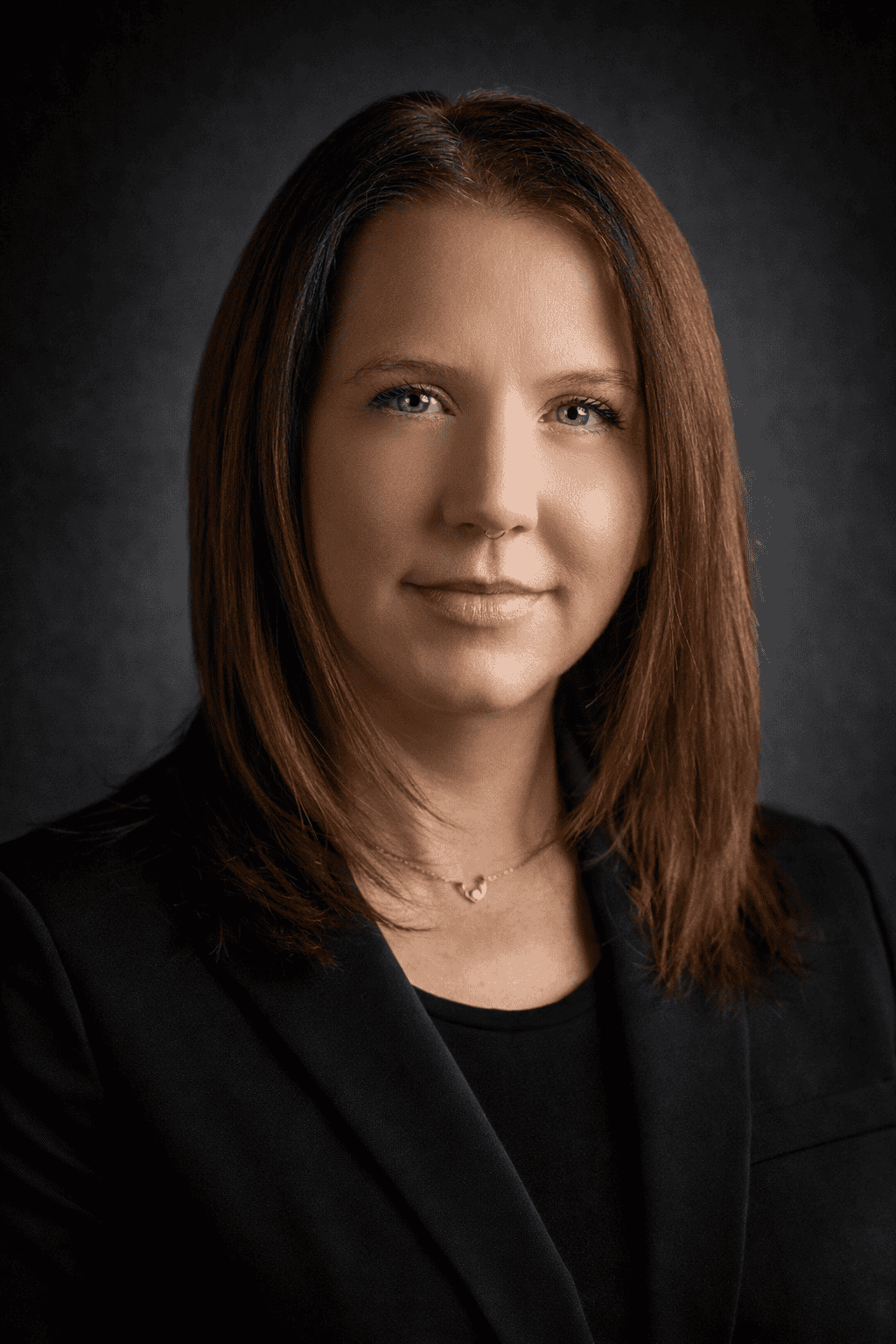
FOR SARA PETERSEN, safety isn’t a cost of doing business. It’s a big reason owners choose Sweep Construction. When a job calls for a more creative approach to safety, Sweep’s biggest customers bring it to Petersen, and she credits the company’s safety program with keeping them coming back.
She didn’t start with the advantage of a big company. When Petersen took ownership in 2015, Sweep was dormant, with no employees and no customers. Her first job was filling sandbags for a local hospital ahead of heavy rainfall. Today, the company does about $4 million a year with 35 to 40 people.
Petersen brings more than 13 years of construction safety experience to the work. She holds a Safety, Health, and Environmental Professional certification and is an OSHA-authorized 10- and 30-hour instructor. She built on that background with practical experience. She teaches safety herself, includes it in every bid at no extra cost, and hires people who take it seriously.
Starting From Nothing, With Safety at the Center
Sweep started in 2011, but by the time Petersen took it over, almost nothing was left. All she had was “a FEIN and two trucks,” which led her to “go start selling work to anybody,” as she describes her humble beginning.
From the start, she made safety the center of how the company would operate. While she was laying the groundwork, she wanted it built into the company itself, not set off to one side as a department. “I wanted safety to be the main focus,” Petersen says. Once safety is ingrained in construction culture, she explains, it “seeps into everything that you do.”
Today Sweep specializes in remodels and renovations for institutions and hospitals, and does a lot of work for area prisons. It handles many of its own trades, including demo, stucco, framing, and drywall.
Its bonding capacity has grown along with the company. When Petersen took over, she recalls a limit of about $250,000 per project. Sweep has since completed projects in the multi-million-dollar range. As she puts it, “it’s grown with us.”
Making Safety the Owner’s Job
At Sweep, Petersen teaches safety and takes ownership of it. The company holds weekly safety meetings, and she leads them. “I’m the one that teaches the safety topics,” she says. Safety comes up constantly, because it matters that much to her.
That personal involvement is deliberate. Petersen describes her approach as being “unwaveringly insistent that it is a part of our culture.” Because she owns the company and is so adamant about it, she sets the standard from the top.
Early on, she wanted crews to see safety as part of the job itself and as a way to look after themselves and one another. Now, she says, crews “end up calling each other out a lot more” when a coworker or new hire isn’t doing something the safe way. That vigilance prevents many things from happening, Petersen says, especially injuries to her crew.
She ties that habit to cost. A strong safety system saves the company lost work time, lost wages, and workers’ compensation claims. “It saves us across the board,” she shares. Sweep had zero incidents last year, and Petersen says the program also reduces insurance premiums.
Objections still come up, and she handles them one person at a time. When someone resists doing a task the safe way, she tries to understand their issue and hear where they are coming from. Then she explains her perspective. Most of the time, she describes a middle ground that satisfies both sides. On the basics, she holds firm. A worker who refuses to wear safety shoes will not be working on the job.
Putting Safety in the Bid as Standard
Safety shows up in Sweep’s bids as a selling point, not an afterthought. Petersen says she builds the safety program into the company’s bidding documents and references it as often as she can. Much of Sweep’s work comes through contract bids, including multi-year contracts with a $12 million cap, and the program gives an owner “some comfort in knowing that they can trust us when it comes to doing things the right way.”
The records back that up. On every contract bid, Petersen says, owners want to see the company’s EMR and its OSHA 300A, and anything on either one is a red flag. As she sees it, the result is that owners “just feel a little more comfortable picking us.”
It matters most on difficult work. Sweep’s biggest customers call when a job requires creative safety handling, and they don’t want to take on extra risk by handing it to a contractor without a strong safety background. They bring it to Sweep, the two sides have lengthy discussions, and in the end, Petersen says, “they come back to us just because we have such a strong safety program.” She credits that to how Sweep handles safety and the accreditations she has earned in the field.
She also positions Sweep as a resource. If a safety issue comes up on an owner’s site, she says the company can help them figure out how to mitigate it.
All this is built into her business model. In her view, safety “should be something that just exists without extra cost,” much like having insurance. In what she calls a risky industry, “you have to protect your people no matter what.”
Hiring for the Mindset, Then Keeping the Crew
Safety shapes who Sweep hires before anyone sets foot on a site. Petersen is no longer the only person who interviews candidates, but the screening questionnaire asks how they feel about safety and what their history with it has been in any industry. She weighs the answer heavily.
She is direct about why. Many people who have been in the trades for a long time see safety as one of those annoying things they just have to put up with. “I don’t want people on my team that aren’t going to see safety as the vital thing that it is,” Petersen says.
Beyond that screen, her main criterion isn’t what a candidate already knows. “It’s mostly personality,” she shares. She views the trades as “an incredible industry to be a part of,” and she believes anyone who wants to work in them should be given the chance to learn, even someone coming from an unrelated job such as bartending, as long as they have the right personality and approach and are genuinely interested.
Petersen is selective about who joins, and as a result, her company has great retention. With a low turnover rate, much of her crew has been with her since the first couple of years. “I try to pick the people who are going to want to be here, not feel like they have to be here,” she describes.
New hires start with an orientation and a six-month new-hire program. Sweep also takes part in the AGC and ABC apprenticeship programs, with its electricians going through the ABC apprenticeship and its carpenters through the AGC.
Taking Safety Beyond Sweep
Petersen doesn’t keep her approach within her own company. Sweep’s carpenters already come up through the AGC apprenticeship program, and she is now serving her second term on AGC New Mexico’s board of directors. She brings the same safety credentials that run through Sweep to that table, and she calls it “really amazing” to sit in a room with the area’s general contractors, talk about issues that affect the industry, and help shape its direction.
She is also president of NAWBO New Mexico, an association that advocates for women business owners across the state and serves as a network for new owners. Its members own a range of businesses, and she says the conversation is about what affects their businesses and “how we can help each other.” That instinct matches how she treats owners on the job. When a safety issue comes up on an owner’s site, Sweep can help them figure out how to mitigate it. As president, she focuses on membership and the association’s growth.
Why It Comes Down to People
Asked what she would tell other owners about building a business on a strength like safety, Petersen starts with the crew. “It’s about your team. It’s about your people,” she describes. A workforce wants to feel appreciated and know the owner cares, and she cares deeply about their health and wellness.
In her view, building the company around safety and caring for the team empowers the crew. It gives them a place they can care about and a sense that this place cares about them.
That same crew is what produces the safety record owners ask to see on a bid. For any owner weighing their approach, the question is simple. If a customer asked to see your safety record on the next bid, would it help you win the job?
Sara Petersen is the president and owner of Sweep Construction, Inc., a commercial general contractor based in Albuquerque, New Mexico. Her background in construction safety shapes how she leads teams and approaches renovations in occupied spaces, where keeping a facility running matters as much as getting the work done. Sara serves as the 2026–2027 president of NAWBO New Mexico and on the board of AGC New Mexico. Through those roles, she supports women business owners and helps create more opportunities for women to lead in construction.
About the author:
Robert Puharich is the founder of IsleFlow Content Studio Inc. and author of Building Brilliance. He helps construction firms build the trust, authority, and credibility that makes them the first call, not just another bid.